

Key Takeaways:
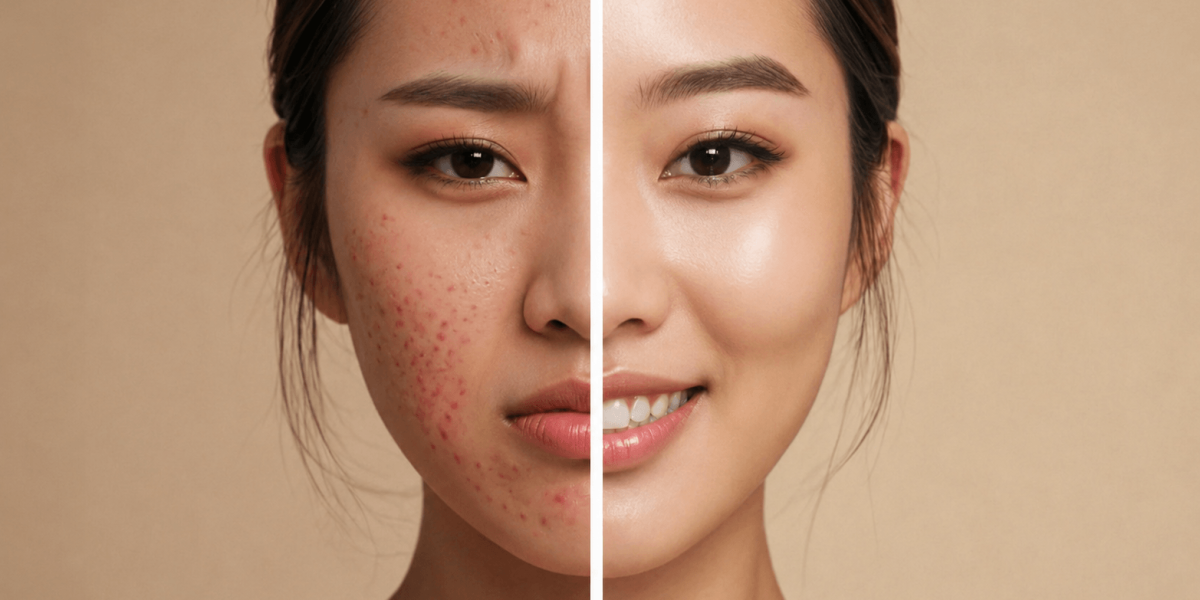
- An ongoing battle with acne may involve several connected factors, including excess sebum, blocked pores, bacterial activity and inflammation.
- Acne type and severity influence whether gentle home care, therapist-led facials, or medical treatment is appropriate.
- Using multiple strong products without professional guidance can damage the skin barrier and make redness, sensitivity and breakouts harder to manage.
- A structured treatment plan combines appropriate professional care, consistent daily skincare, and ongoing assessment, rather than relying on a single quick fix.
Introduction
Many people battle with acne that continues beyond their teenage years, often cycling between temporary improvement and another round of breakouts. While over-the-counter products may help with mild blemishes, persistent acne is rarely caused by a single factor.
Why Can the Battle with Acne Continue into Adulthood?
Acne is influenced by several interconnected factors rather than a single cause.
1. Excess Sebum Production
One of the main contributors is excess sebum (oil) production, which can mix with dead skin cells and clog pores. When pores become blocked, Cutibacterium acnes (often shortened to C. acnes) can multiply, triggering inflammation and leading to visible breakouts.
2. Hormonal Changes
Fluctuations in hormones, particularly androgens, can increase oil production and make the skin more prone to congestion. This is why acne is common during puberty but can also continue or reappear during adulthood due to menstrual cycles, pregnancy, stress or other hormonal shifts.
3. Lifestyle and Environment
Stress may affect hormone levels and skin behaviour, while certain skincare, makeup or hair products can clog pores if they are not suitable for acne-prone skin. In humid climates like Singapore, increased sweating and oil production may further contribute to congestion.
Acne can persist into adulthood because these contributing factors often remain present or fluctuate over time.
Unlike teenage acne, adult acne may also be linked to skin sensitivity or a weakened skin barrier.
Overuse of harsh products, frequent exfoliation or aggressive treatments can disrupt the skin’s natural balance, leading to irritation and prolonged breakouts.
How Does Acne Type Affect the Treatment Approach?
Common forms of acne affect different layers of the skin in various ways:
- Blackheads: Open comedones where the pore remains open.
- Whiteheads: Closed comedones covered by a thin layer of skin.
- Papules: Inflamed bumps on the skin’s surface.
- Pustules: Bumps that contain visible fluid or pus.
- Nodules and Cystic Lesions: More severe forms that develop deeper beneath the surface. They can feel painful or tender and carry a greater risk of marks and scarring, particularly if they are squeezed or repeatedly disturbed.
Severity and Sensitivity Guide Treatment Selection
The right treatment depends heavily on the depth and severity of your breakouts:
- Surface Congestion: Often responds well to controlled cleansing, exfoliation, or targeted extraction where suitable.
- Deep inflammation: Requires a much more cautious approach. Aggressive pressure or unsuitable procedures can easily worsen the irritation.
Before recommending any procedure, Glow Haven carefully assesses your visible acne type, current sensitivity, and overall skin condition. If you are considering an acne facial, you can expect a highly personalised assessment rather than a one-size-fits-all service.
During this evaluation, your therapist will review your skin’s barrier health, hydration levels, and areas of active inflammation. This detailed understanding directly shapes your care plan:
- Treatment Suitability: Determining whether your skin currently needs deep purification or soothing, barrier-supporting care.
- Extraction Approach: Identifying which congested pores can be safely cleared and which inflamed pustules, nodules or cystic lesions should be left undisturbed to minimise the risk of scarring.
- Exfoliation Intensity: Adjusting the strength of exfoliants to match your skin’s tolerance, encouraging healthy renewal without triggering further irritation.
- Targeted Aftercare: Providing tailored advice to help you maintain results and protect your skin at home between visits.
When to Seek Medical Care
Spa facials may support skin maintenance in suitable cases, but they do not replace a medical diagnosis, prescription treatment, or hormonal assessment. You should always consult a doctor or dermatologist if you experience:
- Painful nodules
- Widespread inflammatory acne
- Sudden, severe breakouts
- Acne that continues to scar
Why Some Acne Resists Home Care (And How Professionals Help)
The Limitations of Over-the-Counter Products
While home products are useful for mild blemishes, relying on trial and error can sometimes do more harm than good. Introducing multiple active ingredients, repeated scrubbing, or aggressive spot treatments can strip the skin and weaken its natural barrier. Instead of resolving the blockage beneath the surface, this approach often triggers deeper inflammation, leading to redness, swelling, prolonged healing, and a higher risk of post-acne marks.
The Structured Approach of Professional Care
Persistent breakouts require a calmer approach that balances congestion management with barrier-supporting care. Rather than trying to strip away every trace of oil, professional facials for acne replace guesswork with a tailored plan:
- Controlled Cleansing & Extraction: Helps remove impurities and gently extract selected comedones, reducing avoidable irritation and risks often associated with at-home squeezing.
- Targeted Exfoliation: Encourages skin renewal at a pace that matches your tolerance. A carefully paced acne facial treatment supports more appropriate care than repeatedly applying strong acids to already compromised skin.
- Ongoing Assessment: Because triggers change over time, continuous monitoring during your battle with acne helps therapists adjust treatment based on your skin’s response. This adaptable approach focuses on supporting your skin’s changing needs and maintaining overall comfort.
Which Glow Haven Facials Are Suitable for Acne-Prone Skin?
Premium Ampoule Rejuvenating Facial Spa
The Premium Ampoule Rejuvenating Facial Spa is a 90-minute treatment listed for all skin types. It is a customised facial using an ampoule containing antioxidants and other active ingredients, with the treatment selected based on the client’s skin type.
For acne-prone skin, a therapist should first review active inflammation, sensitivity, current skincare and recent procedures before deciding whether this rejuvenating treatment is appropriate.
GlowMedi Hollywood Black Carbon Peel Laser Therapy
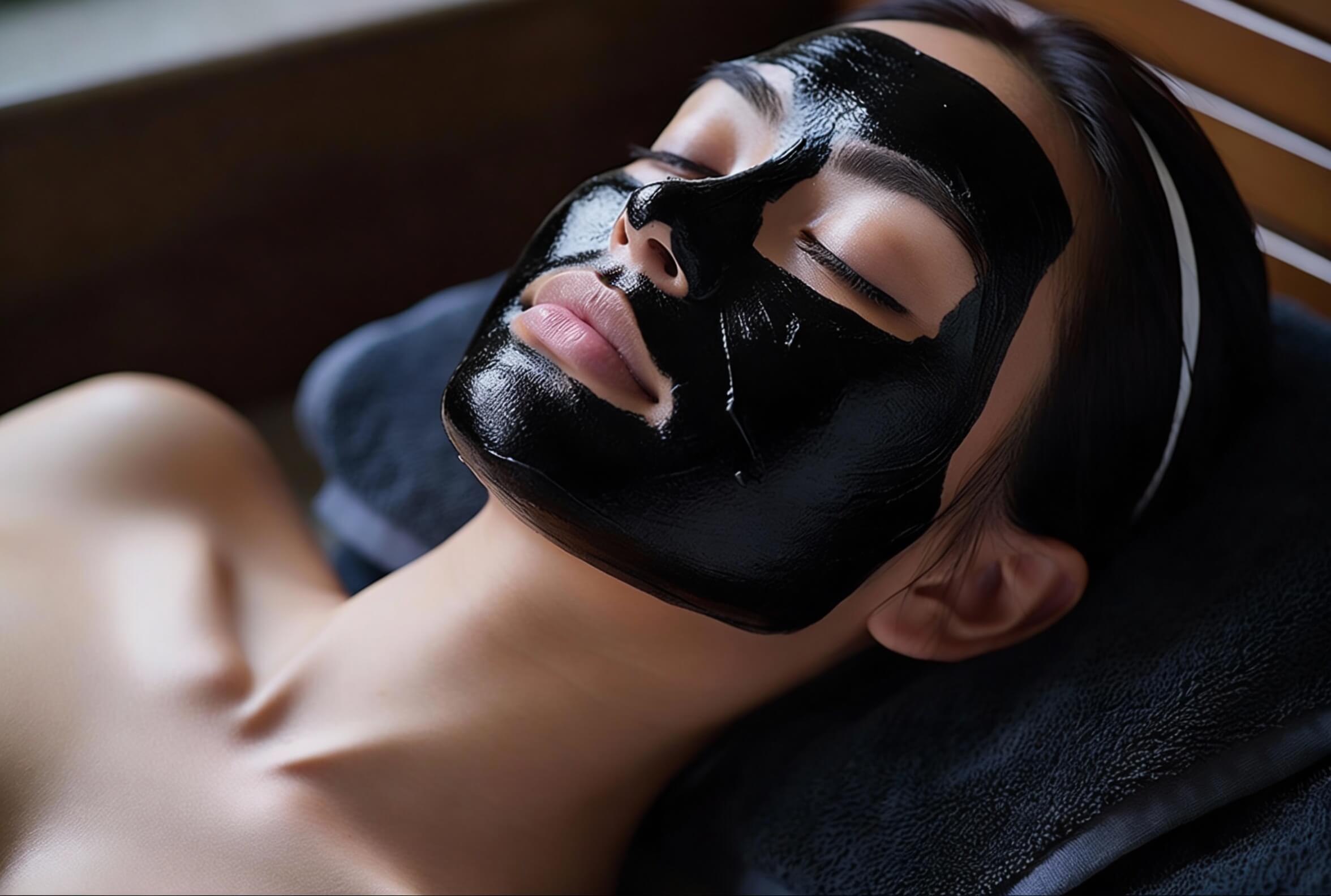
Another advanced option is the 90-minute GlowMedi Hollywood Black Carbon Peel Laser Therapy. Suitable for all skin types, this treatment focuses on supporting deep hydration, superficial circulation, and active skin renewal.
Laser-based care is not automatically suitable for every acne type. Skin condition, sensitivity, medication use, recent treatments and the presence of active irritation should be disclosed during the consultation. You should also follow the recommended preparation and aftercare guidance.
How Glow Haven Takes an Assessment-Led Approach
Glow Haven’s process begins with consultation and skin analysis before recommending a tailored treatment plan. This matters for acne-prone skin because two people may both have breakouts but need different levels of cleansing, soothing care, hydration support, or aftercare.
After the professional treatment, progress tracking and home-care guidance help clients understand what to continue, what to avoid, and when to reassess the plan. This keeps the focus on consistent skin support rather than chasing a quick fix.
Conclusion
The battle with acne is rarely resolved by a single product or an overly aggressive routine. Persistent breakouts often reflect a combination of congestion, inflammation, oil production, skin sensitivity and changing internal or environmental influences.
Professional facials may support suitable cases through controlled cleansing, carefully selected techniques and regular reassessment.
However, painful cystic acne, widespread inflammation, infection, sudden changes, or ongoing scarring should be evaluated by a doctor or dermatologist.
Book a personalised consultation with Glow Haven to assess your current skin condition and determine a suitable facial for your needs.
 Glow Haven